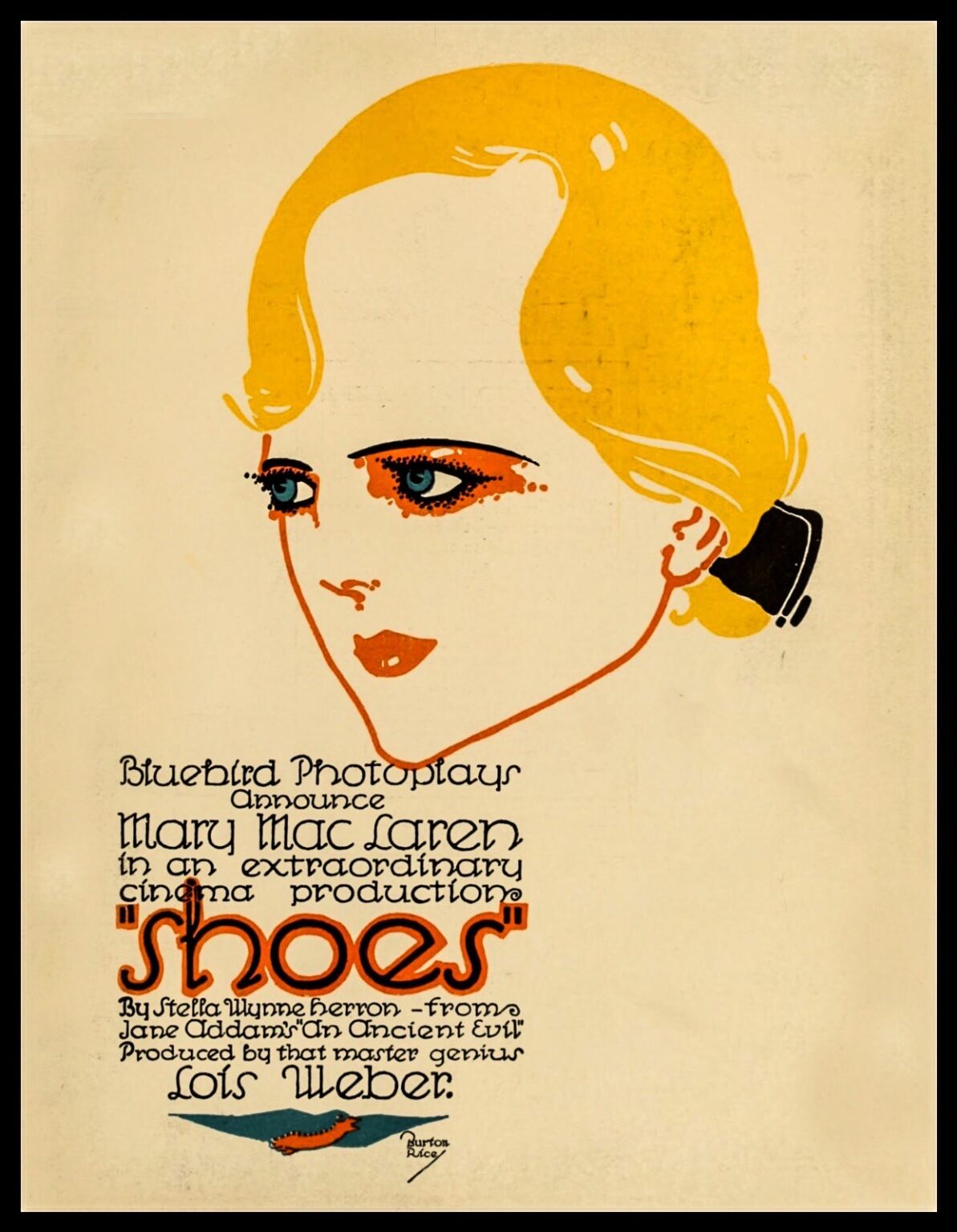
TAMPA, Fla. (JUSTSARA) — Lois Weber was Hollywood’s first female director. She pioneered plenty of advancements in film and videography and was an incredible story teller. Her film ‘Shoes’ enraptured me so much I went hunting for every detail I could uncover about it. That hunt lead me to a reappropriation of the film into a shoddy ‘comedy’ years after it’s debut.
For some reason I find it so hard to write reviews or analysis’ of books or media. I don’t know why. My brain just thinks my opinion doesn’t really matter and I’m just putting a mustard stain on someone’s beautiful work by even talking about.
But I digress.
Recently, I was enraged by something I found out about a piece of media I had watched. Not about the media itself but about what a man turned that media into. Taking a pure, early feminist film and dubbing over it to create a cheap “comedy” short for a quick cash grab. I’ll explain everything in a moment but let me first transport you back to the early 1900’s. When film and moving pictures were a brand new technology and it seemed to most everyone that the sky was the limit.
In 1916, film had already been around for about 10 years. The theatre was, for the most part, a place working class families could escape to for just a little while. The small dark room could house stories worlds away like Georges Méliès‘ Trip to the Moon or Michael Crichtion’s The Great Train Robbery. Films were kept short and generally didn’t cover very noteworthy or controversial topics. They were an escape for the middle class from the struggle they faced everyday, why would they want to go see that struggle played out on a large screen?
In order to appeal to a wider audience some, like Adolph Zukor, pioneered the much longer feature length film, giving filmmakers the scope to build worlds and tell longer stories from plays or novels. One early director during this time was Lois Weber. At one point she had been the highest paid director in all of Hollywood, because of snazzy deal she made with Universal.
Weber started off her career working alongside her husband. Although, many say she was always the one calling the shots. In her early work she didn’t just direct the films but starred in them. If you ever took a film analysis or film history class you have probably seen Suspense, Weber’s film she stars and directs. In it a young woman is home alone with her baby while her husband is at work and a man with presumably less than pure intentions is able to sneak into her house by finding a spare key under the doormat. Through this film Weber introduces the world to the ‘split-screen’ method and other video techniques. But she wasn’t just technically inventive, its clear from the topics covered across her films that she loves speaking on serious issues—high-brow, controversial topics. She explores themes of drug use, contraception and poverty to name a few.
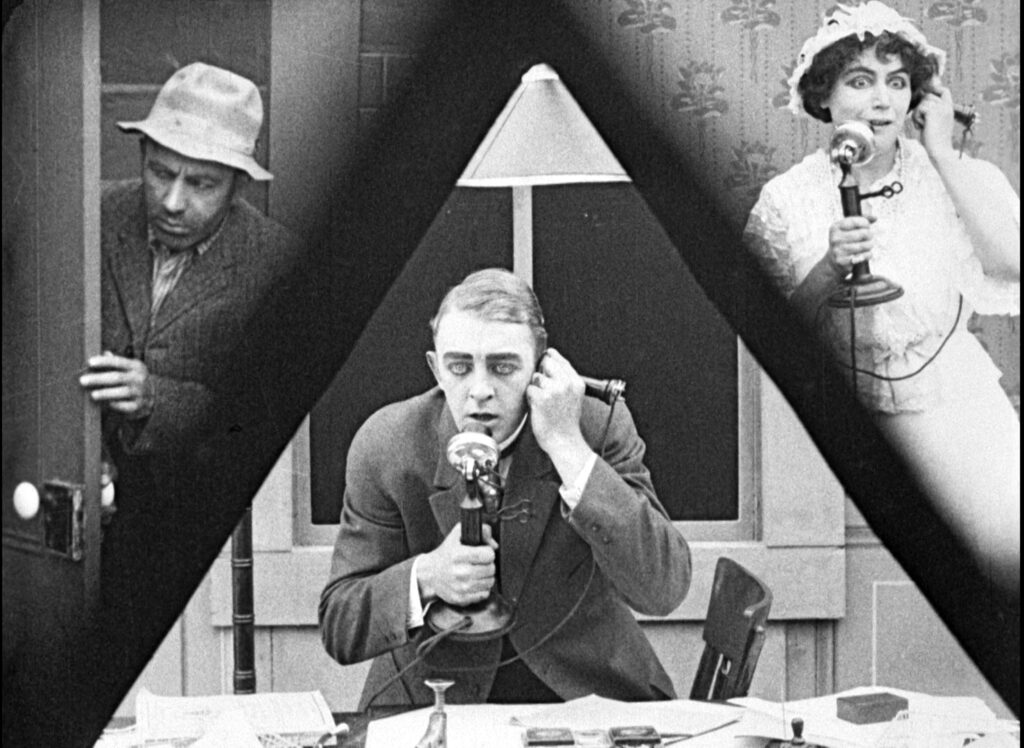
Suspense had been one of the films I’d watched in college in my film studies program. But, while running through a project I started for myself where I watch the most prominent films of every decade, I came across a longer film of hers titled ‘Shoes’.
‘Shoes’ by Lois Weber
‘Shoes’ is 45 minutes long, equal to about 4 or 5 film reels, and is based on a short story originally written by feminist and suffragette, Stella Wynne Herron. Now when I tell you how badly I wanted to read that short story before writing this analysis of the film, I spent probably a week looking for it before I realized, hidden in the references of the ‘Shoes’ Wikipedia article was a link directly to a scan of the January 1st 1916 issue of Collier magazine where it was originally published. Sometimes the things you need are hiding in plain sight.
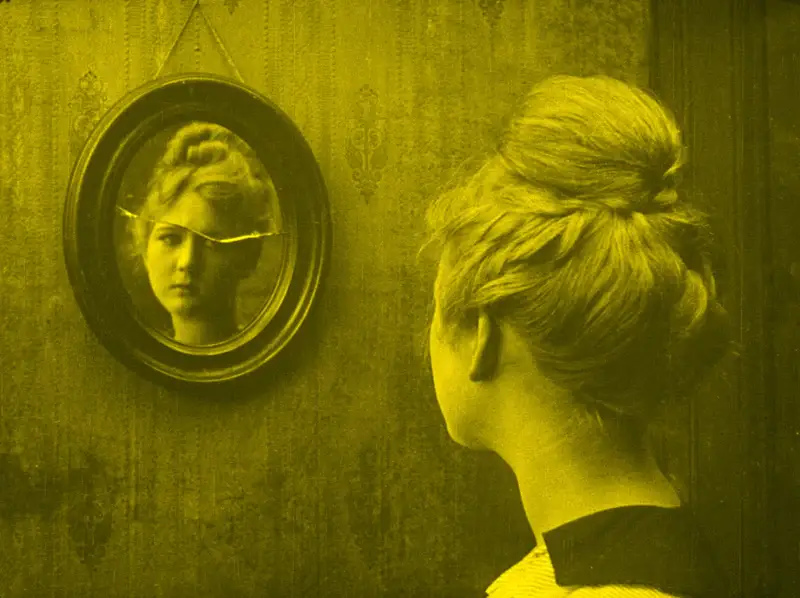
Anyway, I have taken the liberty of publishing Stella Wynne Herron’s short story on my website in case anyone else is having a difficult time finding it. You can find it here:
The film follows the short story pretty closely. Here’s a summary: A young woman by the name of Eva lives with her family in what looks like a very small residence. Her father seems to only work when he feels like it, finding odd jobs here and there. Otherwise, all he does is sit around, read books and drink beer straight from the can (what a weird looking can it is too).
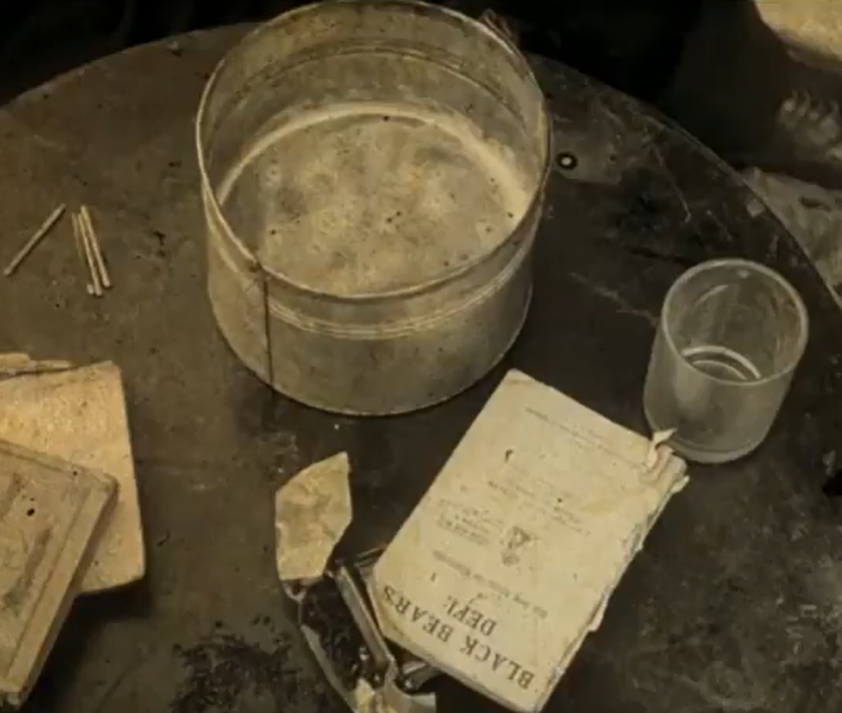
Eva has two siblings but both are too young to work, her mother watches over the home and the kids and the work her father does get is so little and far between that it isn’t helpful. So Eva is the one that must provide for her family. In the short story we get a more little perspective on Eva’s situation. Herron says that while Eva pays most of the bills in the house, it isn’t spoken of out loud. She says that if it was admitted out loud that her father would be embarrassed and shamed. So they pretend that her fathers on-and-off work style is the brings in the bough while Eva only works because she wants to or to give them a little extra spending money. Not only does Eva have to work in place of her father but she isn’t even allowed to take credit for it and must protect her lazy fathers massive ego. This idea that women must suffer in secret to ensure the comfort of men isn’t something that comes across in the film so it was enlightening to read about it in the short story. It gave a lot more depth to Eva and better emphasized the unfairness in her situation.
Back to the film, Eva works at the 5 and 10 cent store and every week she gives her full paycheck to her mother. Eva’s paycheck just barely covers all of their expenses and leaves no room for extra purchases. So, her mother turns down her request for a new pair of shoes. These shoes are shoes Eva desperately needs. With the promise of ‘next week surely’, Eva continues working. She puts pieces of cardboard in her soles to provide some support but it just gets wet and soggy everyday. Eva’s shoes deteriorate further and further. She walks to work through the rain and catches a cold and when her next paycheck finally comes she again gives it to her mother. But there still isn’t any room for extra purchases. Eva is at her wits end, she can’t go any longer without a new pair of shoes. She worries that they will disintegrate fully with every step. Her father promises to find work on the following Monday but Eva, I believe, does not trust he will. So, she takes one last desperate action. She sells her body to a man.
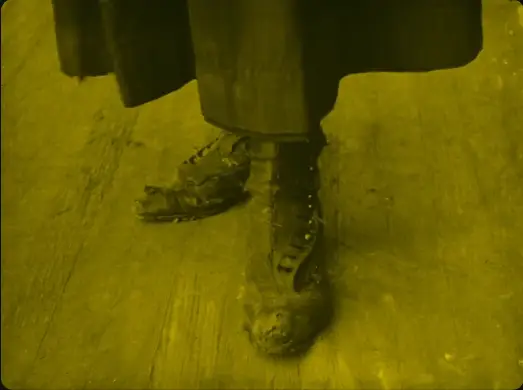
She comes home after her night out and her mother notices she has herself a new pair of shoes. The moment she sees her mother she bursts into tears and falls into her arms. Her mother instantly knows what she’s done and what she had to resort to. She’s understanding and warm and holds Eva tight. But when her father returns she is told to dry her eyes and not let him know what happened. He comes in and announces that he has indeed found a job so Eva can get her new shoes. The film ends with the title card mirroring the final line of the short story.
— “Whatever happened, life must go on. Whatever boats are wrecked, the river does not stop flowing toward the sea.”
The story is tragic and not uncommon, even today. As Herron says, for some the black hand of poverty seems to always hover just above them, menacing, terrible, eager to close over them, to crush out their hearts, their lives.
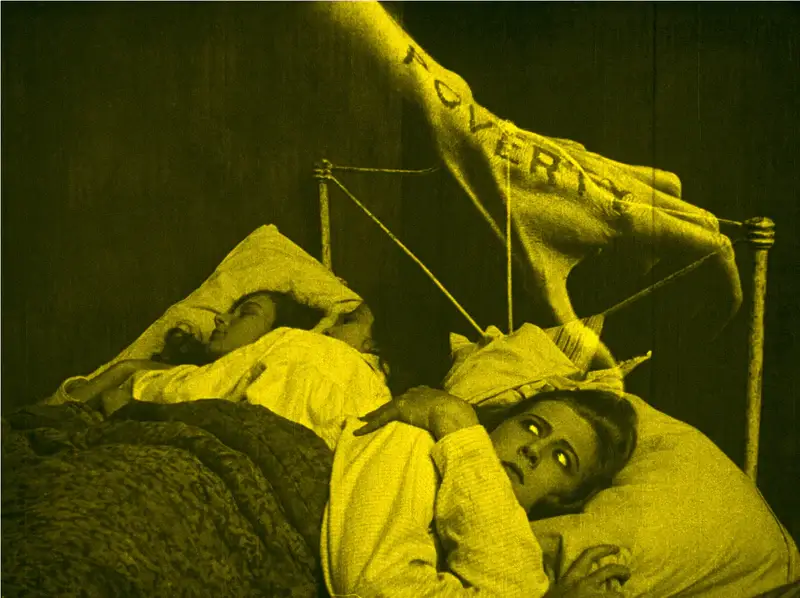
This film focusing on poverty, prostitution and struggle was received well at the time. It earned great reviews and was a hit at theatres. When I watched it I could see why. The cinematography is intimate with lots of close ups and great acting from newly discovered star Mary MacLaren.
So what pissed me off so bad?
Overall I loved the film. It’s one of my personal favorite silent films that I’ve seen so far. I liked it so much I decided to research it; it’s production, origin, reception etc. (that’s when I got most of the information for this analysis) and I discovered something so infuriating that I knew I would have to write about it.
You see, only a few years later the invention of synchronized sound would take Hollywood and the film industry by storm. Silent films were made obsolete and nevermind that the ever-churning factory of Hollywood production studios meant films just a month or two old would not bring in any numbers at the theatres, films made before the invention of sound were essentially just fodder for a warehouse fire. And in 1932, only 7 years before Lois Weber would pass away, Universal decided to desecrate one of her films.
‘Shoes’ became ‘The Unshod Maiden’. A crass, ‘comedic’ re-edit of her original work featuring a narrator that cracks crude jokes throughout the film. The re-edit was part of Universals ‘Brevity’ series where they took old silent films and ‘re-imagined’ them into these short comedies. I don’t really find issue with taking something old and making something new out of it, but ‘The Unshod Maiden’ takes a very early, and I believe, essential feminist film and completely butchers it into a sexist tirade.
The jokes are obviously outdated to a current audience but overall I just found it completely revolting to have to watch. I don’t know why Universal though this particular film would make for a great comedy short. They had another film in the series titled ‘Boo!’ that took clips from early silent horror films like Frankestein to do essentially the same thing. I think that sort of thing works in this format. But, to take a film that is calling out societal mis-justices and have a narrator making fun a young crying woman forced to sell her body just to afford a pair of shoes, I’m sorry but you’ve lost the plot. It’s not even funny to watch, the visuals are clearly so serious that the narrator just comes off as an asshole throughout it.
Here’s an example. At the very end of the short, when we see ‘Mary’ meeting with the man and agreeing to his terms the narrator says this: “He is very generous and offers to give Mary singing lessons. But, Mary says she doesn’t want to sing, she wants to play the saxophone.”
“And so time lapsed and lapsed and lapsed.”
We see the shot of ‘Mary’ coming home to her mother, crying.
“Well well, I wonder what’s become of Mary.”
The camera fades to a shot of ‘Mary’s’ brand new shoes.
“And that’s how Mary learned to play the saxophone.”
Keep in mind that during the time ‘playing the saxophone’ was slang for a woman selling herself or going into sex work of some kind. I couldn’t find a lot of information on it but I assume it’s an innuendo for oral sex.
There is no information out there on what Lois Weber might have thought of this gross miss-telling of her and Stella Wynne Herrons story. But, I can only assume she wasn’t pleased with it. She had long ago left Universal to start her own studio but in 1932 she wasn’t in the habit of making films at all anymore. Universal had her kept film in storage from her time there.
I will say, there is one bit of good that came out of ‘The Unshod Maiden’. The creation of the film prevented Lois Weber’s original ‘Shoes’ from being forgotten. A copy of her film is now being stored in the Library of Congress for safe keeping (as are many early films).
I only learned about ‘The Unshod Maiden’ because ‘Shoes’ was so good that I had to look up everything I could about it. Although I think the contrast of creating a sexist ‘comedy’ film out of one of the first most influential feminist films by Hollywood’s first female film director is jarring, it’s nice to know that Lois Weber’s ‘Shoes’ stands so tall against the test of time. It’s themes echo in the same chambers they did back then and while that doesn’t speak well on how our society has fared, I think it does speak to Weber’s ability to capture something universally felt by millions of women across the world. Going unnoticed and unappreciated in a male-run society and being forced to make tough choices in the warm silence held by other women.
Sources
Shoes by Stella Wynne Herron (1916)
Universal Breviry Series – “Unshod Maiden” (1932)
Columbia University’s Women Film Pioneers Project: https://wfpp.columbia.edu/pioneer/ccp-lois-weber/
